A confident smile is often called your best accessory, but for many, achieving that perfect alignment requires more than just good luck. Orthodontic treatment has evolved from a simple cosmetic fix into a sophisticated branch of dentistry that balances facial aesthetics with functional health. Whether you are dealing with crowded teeth, a persistent overbite, or gaps that make you self-conscious, modern orthodontics offers solutions that are more comfortable and discreet than ever before.
If you are considering orthodontic treatment in Delhi, you likely have questions about the process, the timeline, and the different types of braces available. In this comprehensive guide, we explore everything you need to know before starting your journey to a straighter, healthier smile.
What is Orthodontic Treatment?
Orthodontics is a specialized field of dentistry focused on diagnosing, preventing, and treating dental and facial irregularities. While a general dentist handles overall oral health (like cleanings and fillings), an orthodontist undergoes several years of additional training to master the movement of teeth and the alignment of jaws.
The primary goal of orthodontic treatment is to create a “healthy bite”—ensuring the upper and lower teeth meet properly. This not only makes it easier to bite, chew, and speak but also significantly reduces the wear and tear on your teeth over time.
Common Signs You Need Orthodontics
How do you know if it’s time to see a specialist? While some issues are obvious, others are hidden within the jaw structure. Common reasons to seek braces orthodontic treatment include:
- Crowding: When there is insufficient space in the jaw for all permanent teeth to fit normally.
- Spacing: Large gaps or “diastemas” between teeth.
- Overbite: The upper front teeth stick out too far over the lower teeth.
- Underbite: The lower teeth extend past the upper front teeth.
- Crossbite: The upper teeth sit inside the lower teeth when biting down.
- Jaw Pain: Difficulty chewing or persistent clicking in the jaw joint (TMJ).
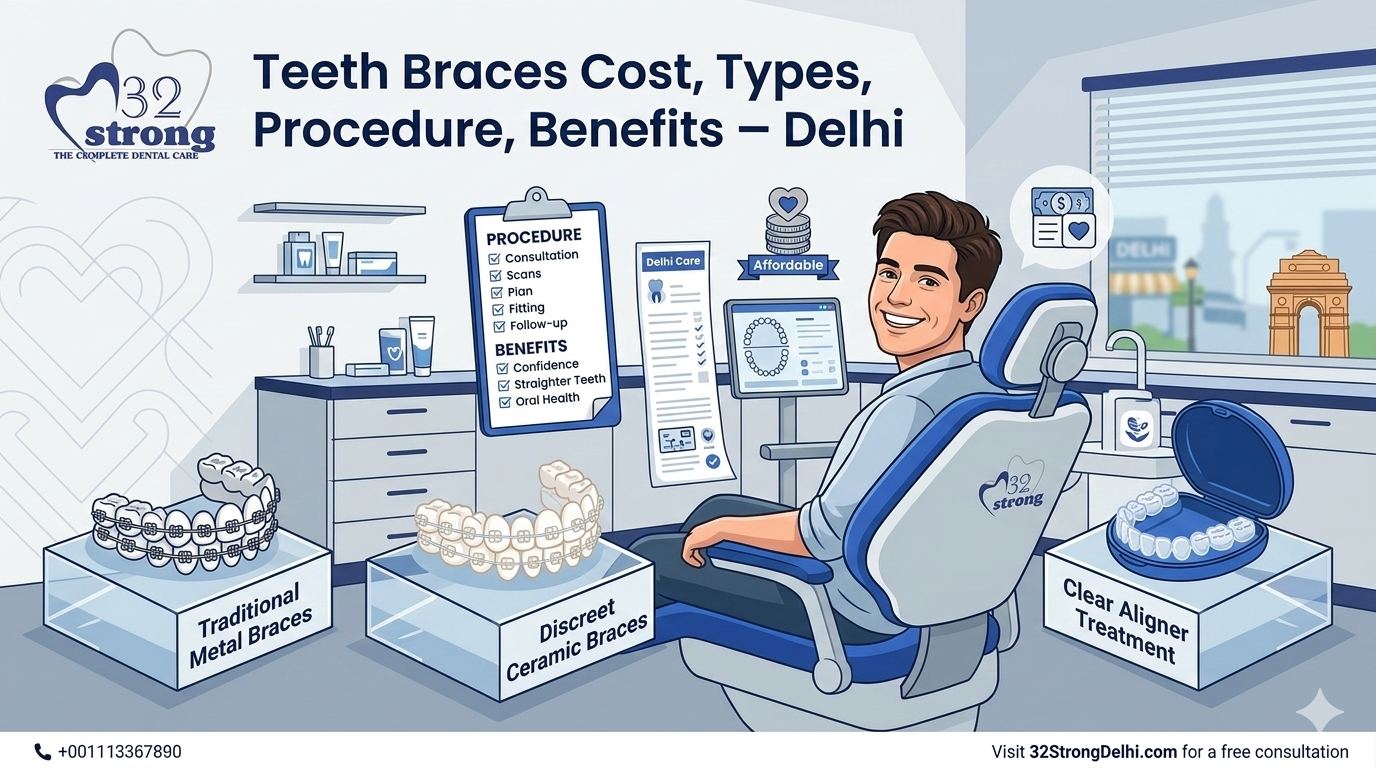
Types of Orthodontic Treatment Braces
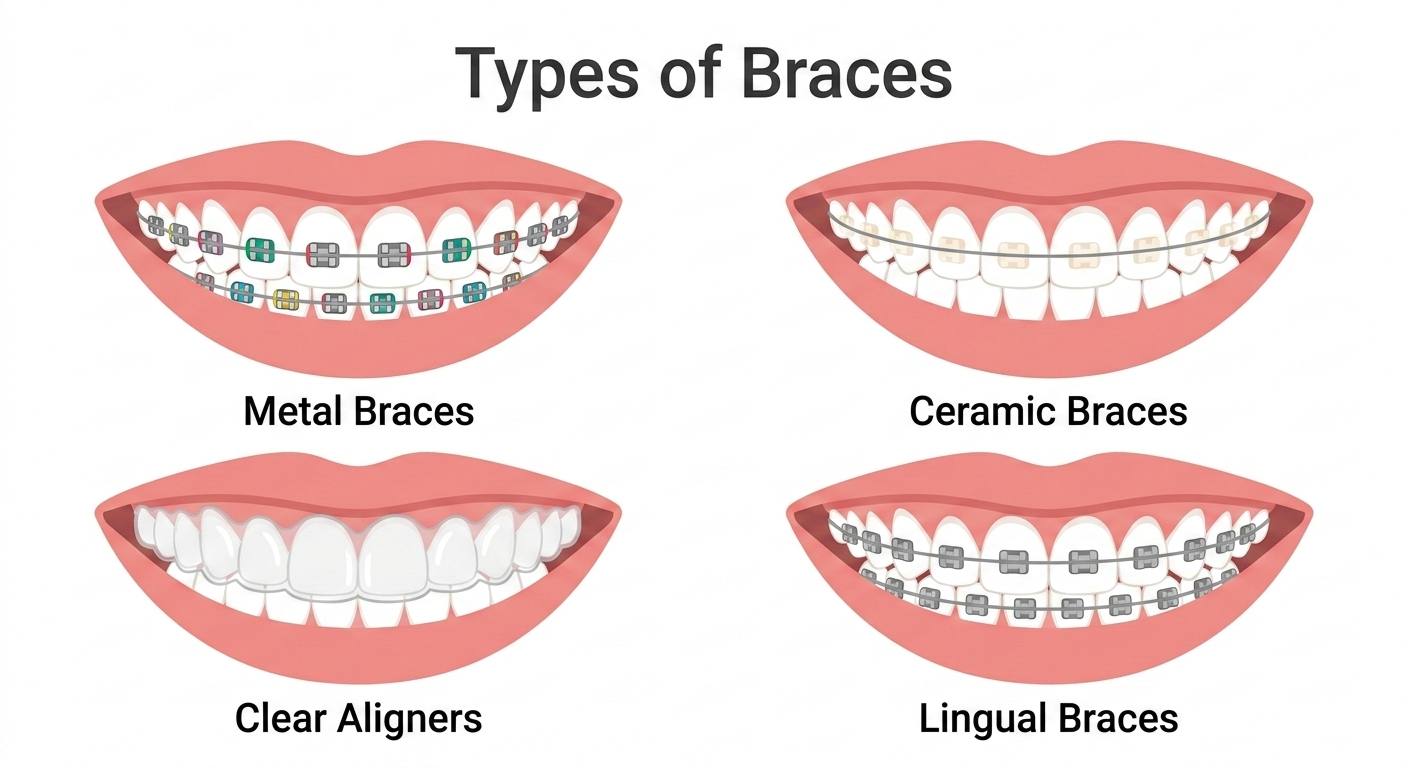
In 2026, patients have a variety of choices that fit different lifestyles and budgets. Depending on your specific needs, your orthodontist might recommend one of the following:
1. Traditional Metal Braces
These are the most common and cost-effective orthodontic treatment options. Modern metal braces are much smaller and more comfortable than the “train tracks” of the past. They use high-grade stainless steel brackets and archwires to guide teeth into position.
2. Ceramic (Clear) Braces
Ceramic braces work exactly like metal ones but use tooth-colored or clear brackets. They are popular among adults and professionals in Delhi who want an effective treatment that is less noticeable from a distance.
3. Lingual Braces
Lingual braces are truly “invisible” because they are bonded to the back (tongue side) of the teeth. They offer the same precision as traditional braces but remain completely hidden from view.
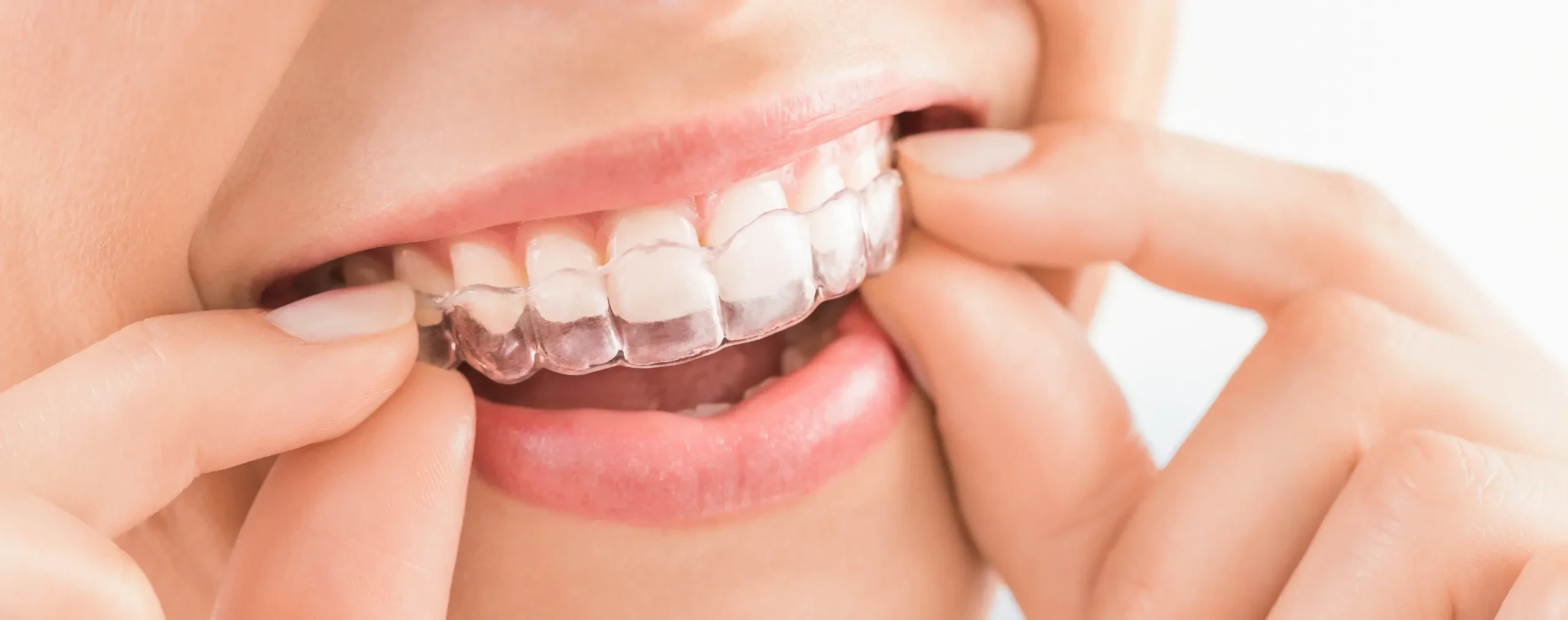
4. Clear Aligners (Invisalign)
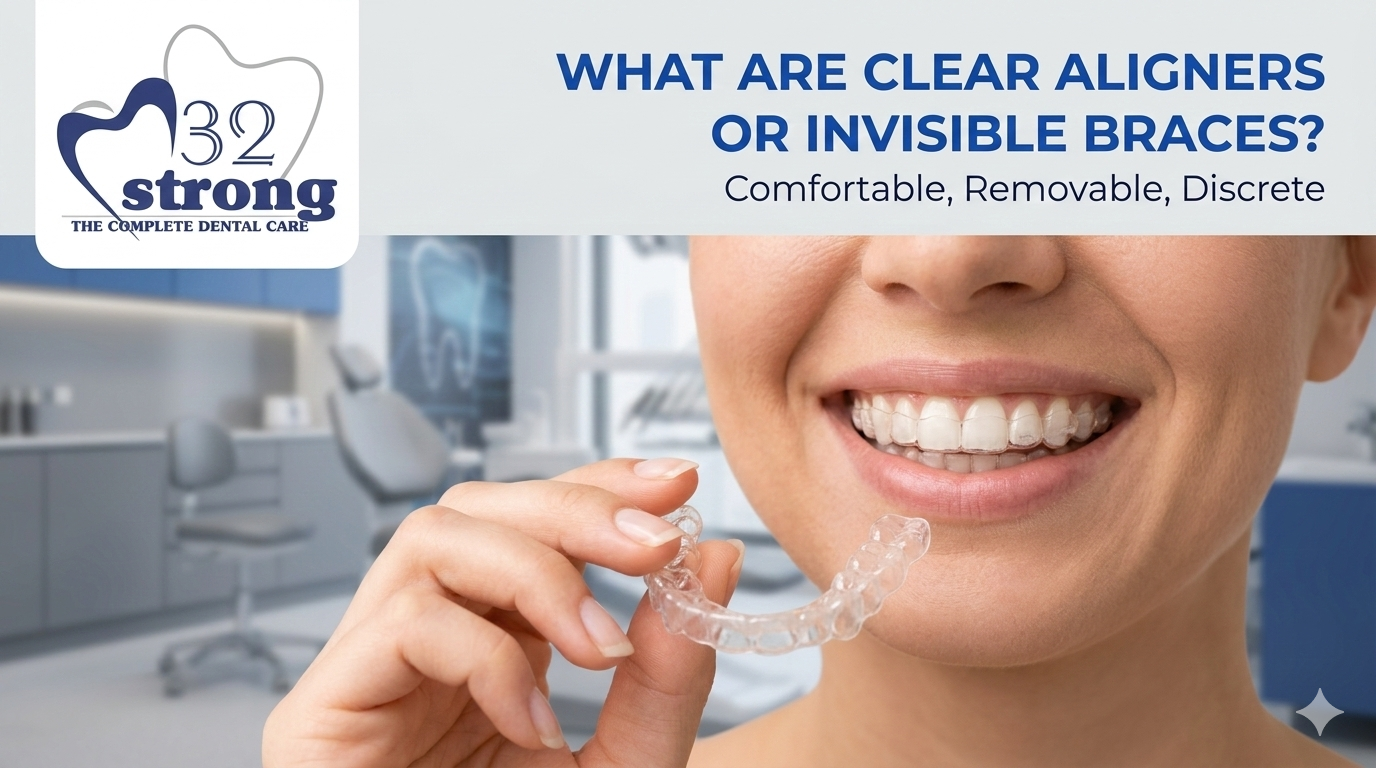
Clear aligners are removable, transparent trays custom-molded to your teeth. They are highly sought after for their convenience, as they can be taken out for eating and brushing.
The Orthodontic Process: Step-by-Step
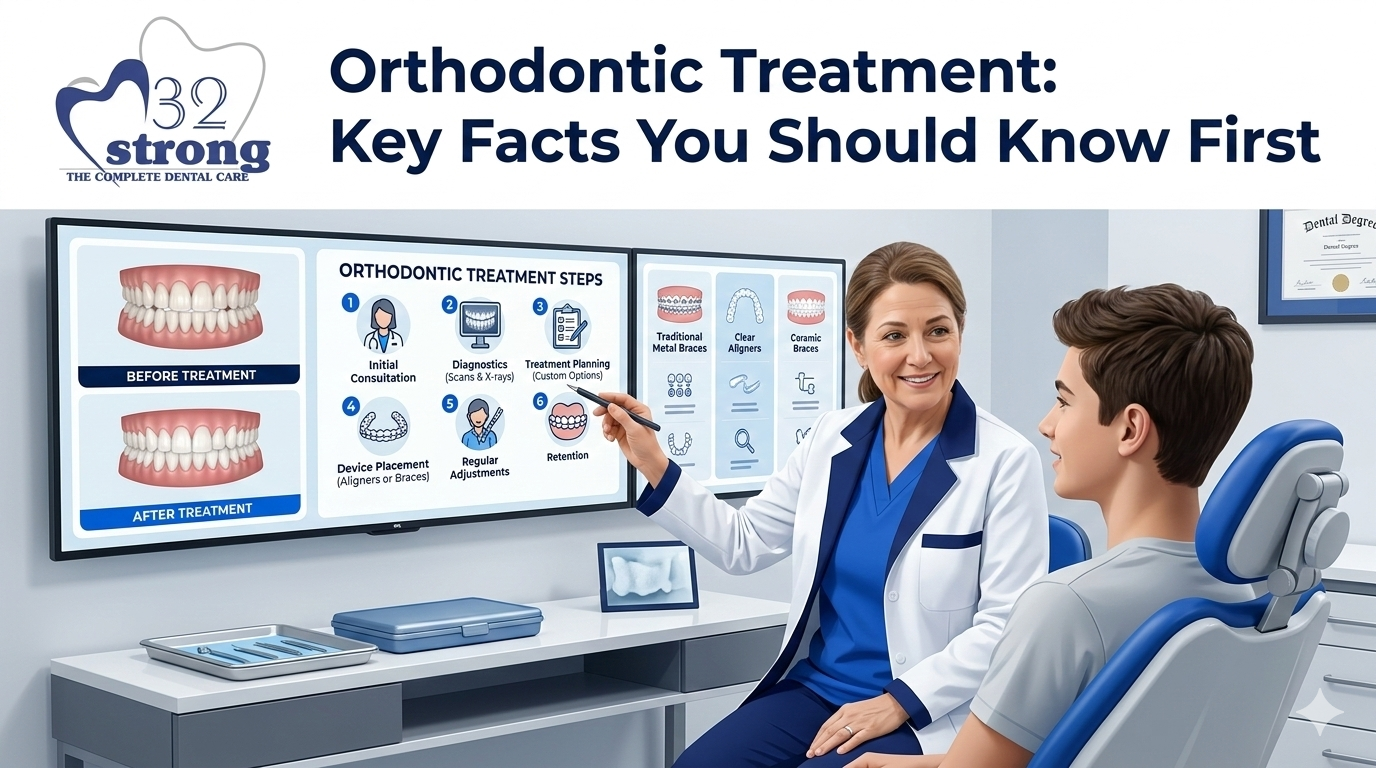
Starting orthodontic treatment is a journey that typically spans several stages:
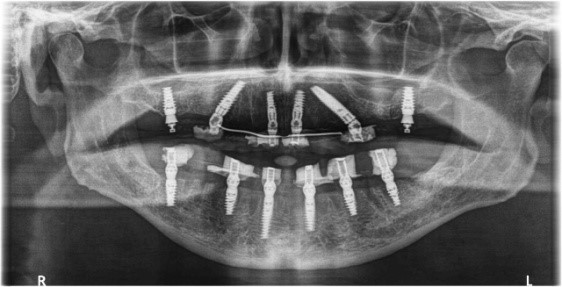
- Consultation & Digital Scanning: Your orthodontist will perform a clinical exam and take 3D digital scans or OPG X-rays to understand your bone structure.
- Treatment Planning: Using AI-driven software, the doctor maps out the exact movement of each tooth and provides a projected timeline.
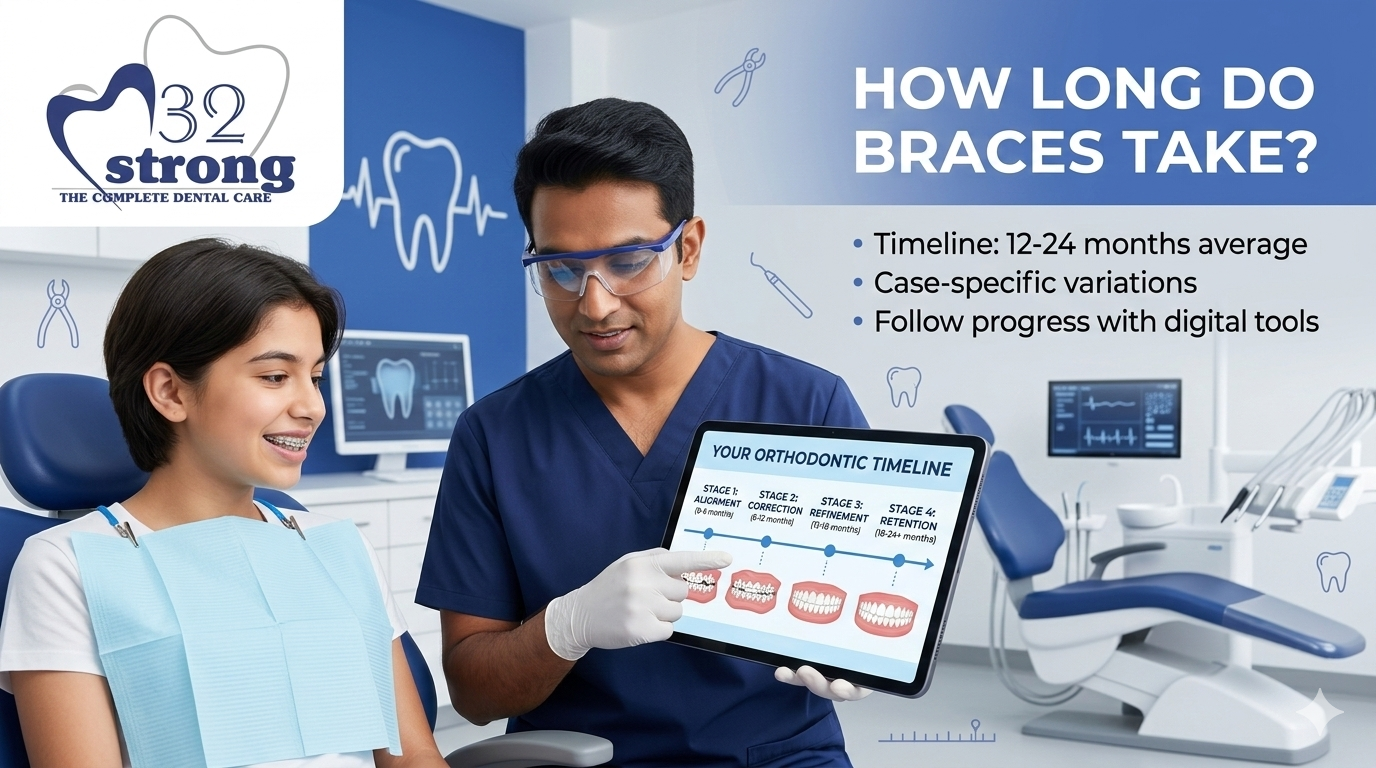
- Active Phase: The braces or aligners are fitted. You will visit the clinic every 4–8 weeks for adjustments or to pick up new sets of aligners.
- Retention Phase: Once the teeth are straight, the “active” appliances are removed. You will then wear a retainer to prevent the teeth from shifting back to their old positions.
Benefits Beyond a Beautiful Smile
While the aesthetic upgrade is the most visible result, the functional benefits of orthodontic treatment are far-reaching:
- Easier Cleaning: Straight teeth are easier to brush and floss, significantly lowering the risk of cavities and gum disease.
- Clearer Speech: Correcting certain bite issues can help eliminate lisps or speech impediments caused by tooth positioning.
- Improved Digestion: Properly aligned teeth allow for better chewing (mastication), which is the first step in a healthy digestive process.
- Jaw Health: By balancing the bite, orthodontics can alleviate chronic headaches and jaw pain associated with TMJ disorders.
Cost of Orthodontic Treatment in Delhi
The cost of treatment in a major hub like Delhi varies depending on the technology used and the complexity of the case. Generally, patients can expect the following price ranges:
| Type of Treatment | Estimated Cost (Delhi) |
| Metal Braces | ₹25,000 – ₹55,000 |
| Ceramic Braces | ₹40,000 – ₹75,000 |
| Self-Ligating Braces | ₹60,000 – ₹90,000 |
| Lingual Braces | ₹80,000 – ₹1,50,000 |
| Clear Aligners (Invisalign) | ₹1,20,000 – ₹3,50,000 |
Note: Prices are indicative and may vary based on the clinic’s expertise and specific patient needs.
Frequently Asked Questions (FAQ)
1. What is the best age to start orthodontic treatment?
The American Association of Orthodontists recommends a first check-up by age 7. However, orthodontics is for everyone! Modern advancements have made treatment highly effective for adults, who now make up nearly 30% of all orthodontic patients.
2. How long does treatment usually take?
On average, treatment lasts between 12 and 24 months. Minor corrections might take only 6 months, while complex jaw realignments can take up to 3 years.
3. Do braces hurt?
You may feel some pressure or “tightness” for a few days after initial placement or adjustments. This is a sign that the teeth are moving. Any mild discomfort is usually managed easily with over-the-counter pain relief.
4. Can I still play sports or musical instruments?
Yes! If you play contact sports, we recommend wearing a specialized orthodontic mouthguard. Musicians playing wind instruments may require a short adjustment period but can continue playing normally.
5. Why do I need a retainer after braces?
Teeth have a “memory” and naturally want to drift back. A retainer holds them in their new, correct positions while the bone and gums stabilize around the roots.
Conclusion
Orthodontic treatment is a life-changing investment that goes far beyond a straight smile. By choosing the right specialist and the right type of braces orthodontic treatment, you are setting yourself up for a lifetime of better oral health and increased self-confidence.
If you are ready to explore your options and want to consult with a premier team, visit our specialized page on orthodontic treatment in Delhi to book your initial 3D scan and consultation.
Would you like us to help you choose the right treatment for your lifestyle? Contact us today to start your smile transformation!