Losing a tooth can feel like a minor setback, especially if it’s a molar hidden in the back of your mouth. You might think, “I’ll get it fixed next year when I have more time and budget.” However, your mouth is a finely balanced ecosystem. When one piece of the puzzle goes missing, the entire structure begins to shift, erode, and age prematurely.
In the dental world, time is not a healer; it is often the enemy. Delaying tooth replacement sets off a domino effect that impacts everything from your jawbone density to the shape of your face. If you are considering treatment for missing teeth treatment in Delhi, understanding the “hidden” timeline of tooth loss is the first step toward saving your smile and your wallet.
The Hidden Domino Effect: Immediate Risks of Missing Teeth
The moment a tooth is lost, a biological countdown begins. While the most obvious change is the gap in your smile, the most dangerous changes happen beneath the gum line.
1. Rapid Bone Loss (The Silent Erosion)
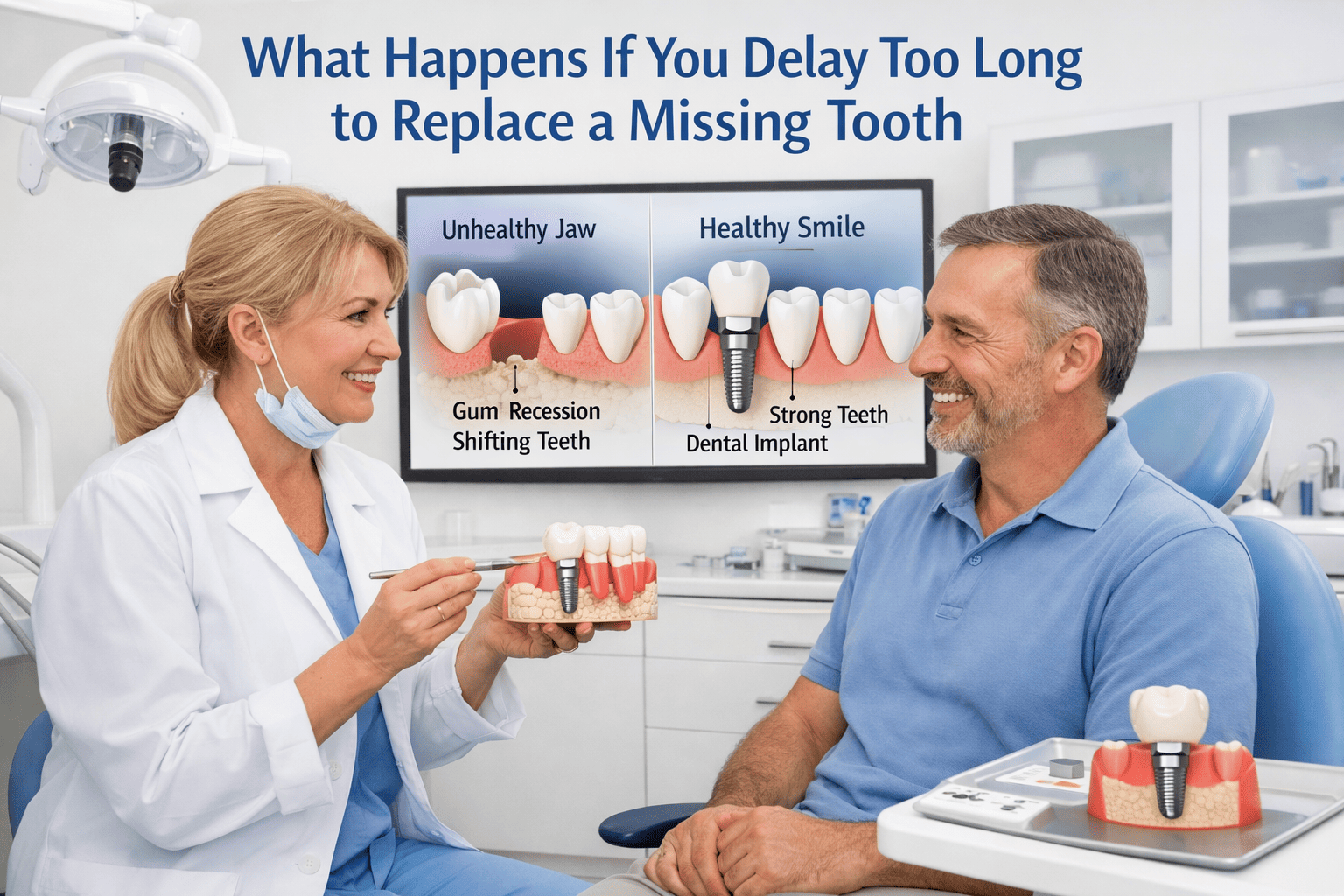
Your jawbone stays healthy through stimulation. Every time you chew, the root of the tooth sends tiny vibrations into the bone, signalling it to stay strong and dense. When the tooth is gone, the stimulation stops. This leads to jawbone deterioration. Within the first year alone, you can lose up to 25% of the bone volume in that area. This bone loss after tooth loss makes future treatments like implants much more complicated.
2. Teeth Shifting: The “Drift” Factor
Teeth like to have neighbours. When a gap appears, the surrounding teeth lose their “anchor.” Over time, they begin to tilt or lean into the space. This tooth shifting after a missing tooth creates new, hard-to-reach crevices where plaque accumulates, leading to tooth decay and gum disease in otherwise healthy teeth.
3. Super-Eruption
Interestingly, the tooth directly above or below the gap will also start to move. Without a tooth to bite against, it begins to “erupt” out of its socket to find a contact point. This can lead to root exposure, sensitivity, and eventually the loss of that tooth as well.
4. Bite Problems and TMJ Issues
As your teeth shift, your “occlusion” (how your teeth meet) changes. This leads to bite problems from missing teeth, which can cause chronic headaches, earaches, and clicking sounds in your jaw—symptoms of TMJ disorder.
Comparison: Immediate vs. Delayed Replacement
| Feature | Immediate Replacement (0-6 Months) | Delayed Replacement (2+ Years) |
| Bone Density | Preserved; minimal loss. | Significant jawbone deterioration. |
| Adjacent Teeth | Remain straight and stable. | Shifting, tilting, and misalignment. |
| Treatment Complexity | Standard procedure. | Often requires bone grafts or sinus lifts. |
| Facial Structure | Maintains youthful “fullness.” | Potential “sunken” or aged appearance. |
| Total Cost | Predictable and lower. | Higher due to corrective surgeries. |
Why Timing Matters: From Simple Gaps to Facial Changes
If you wait too long, the consequences move from your mouth to your entire facial profile. This is where tooth replacement timing becomes critical for your overall appearance.
Facial Sagging and Premature Ageing
Your teeth and jawbone provide the internal framework for your face. When significant bone loss occurs due to delaying tooth replacement, the distance between your chin and nose decreases. This causes the skin to sag, making “jowls” more prominent and creating a collapsed, aged look—even if you are relatively young.
Speech and Nutrition Issues
We use our teeth to pronounce “T,” “S,” and “V” sounds. A missing tooth can cause a slight lisp or whistling sound. Furthermore, if you can’t chew properly, you might start avoiding hard, fibrous foods like raw vegetables and nuts, leading to nutritional deficiencies.
The Financial Burden of Waiting
Many patients worry about the cost of missing teeth treatment in Delhi. While the upfront cost of an implant might seem high, waiting makes it much more expensive. If the bone has already dissolved, you will need a bone graft or a sinus lift before an implant can even be placed. Treating the side effects of delay is always costlier than treating the initial gap.
Missing Teeth Treatment in Delhi: Step-by-Step Process
If you’re ready to stop the clock on bone loss, here is what the journey typically looks like when seeking professional dental care:
- Initial Consultation: A dentist performs a 3D CBCT scan to check your remaining bone density and gum health.
- Site Preparation: If you’ve waited a long time, the dentist may perform a bone graft to “rebuild” the foundation.
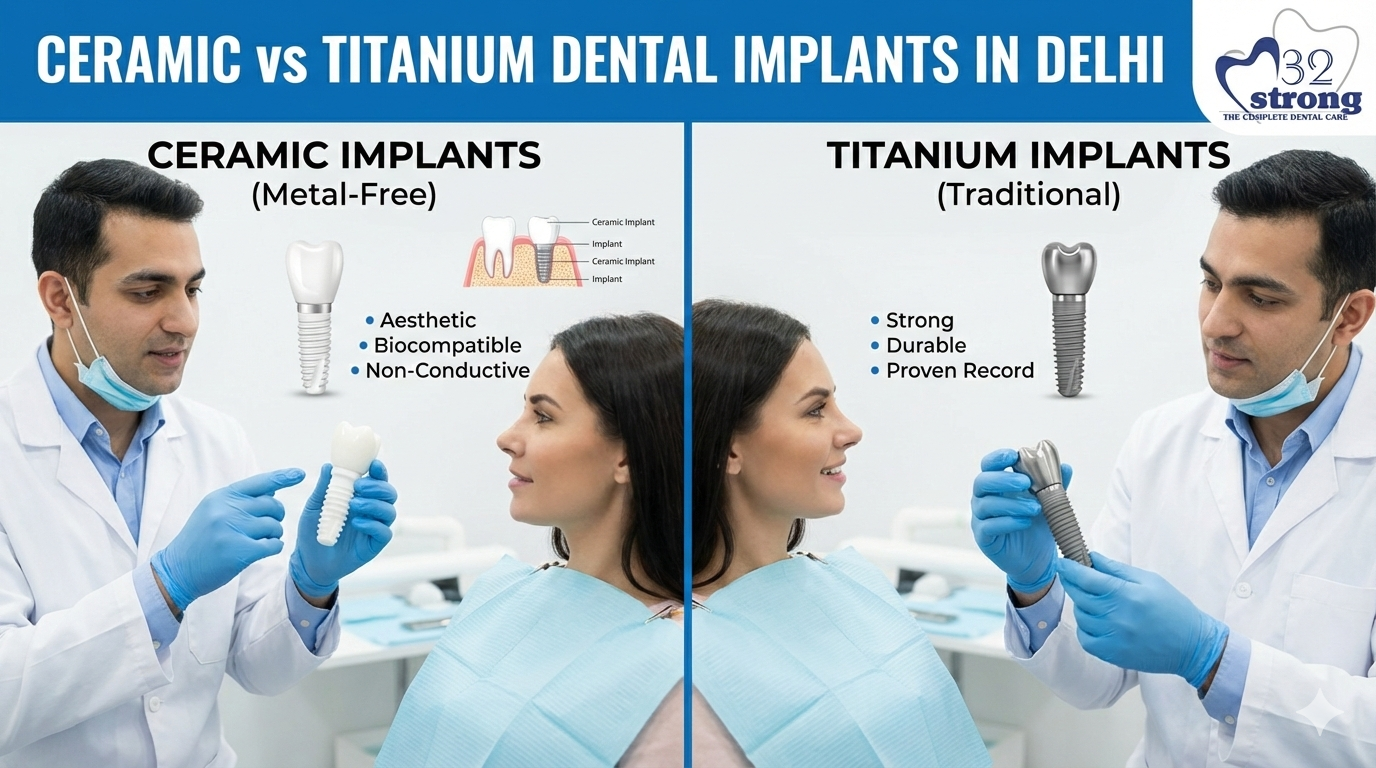
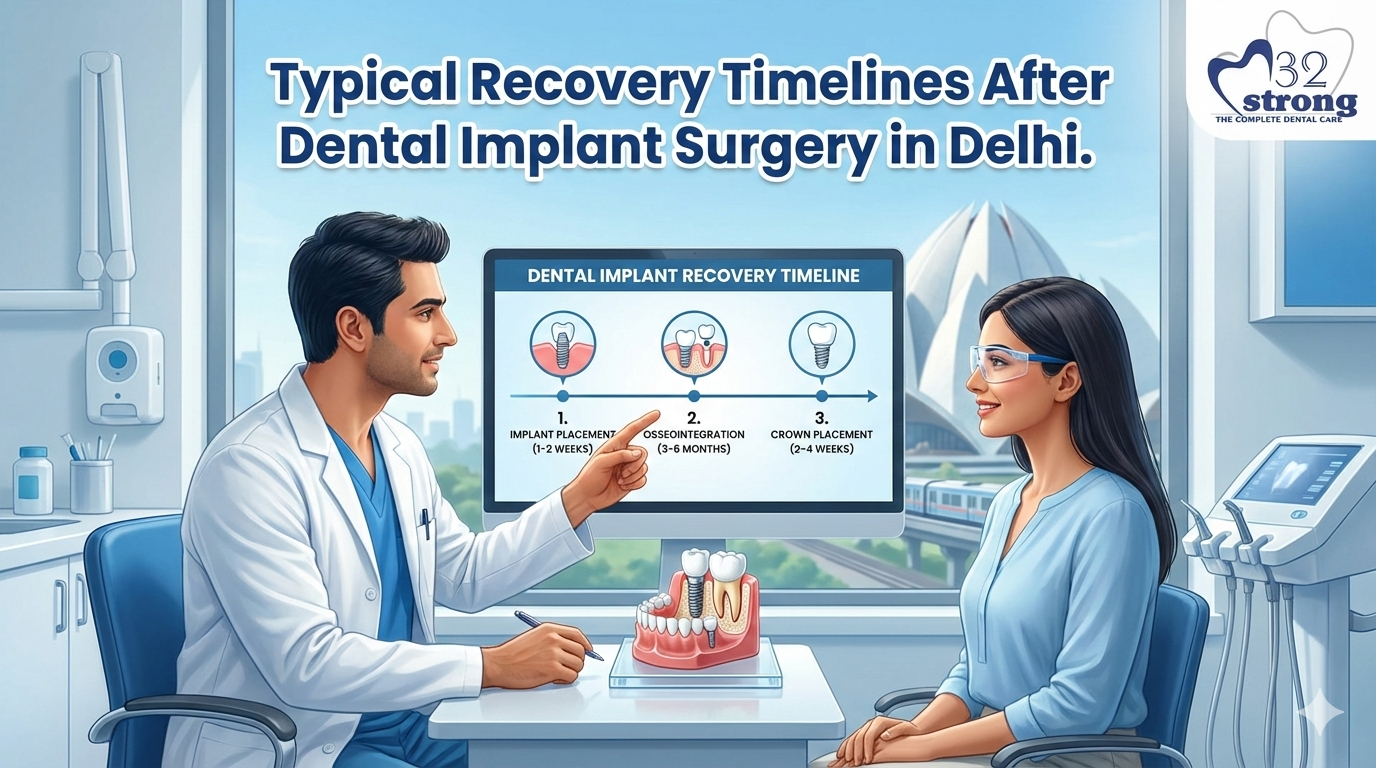
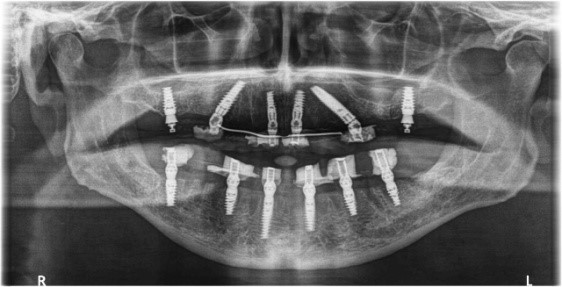
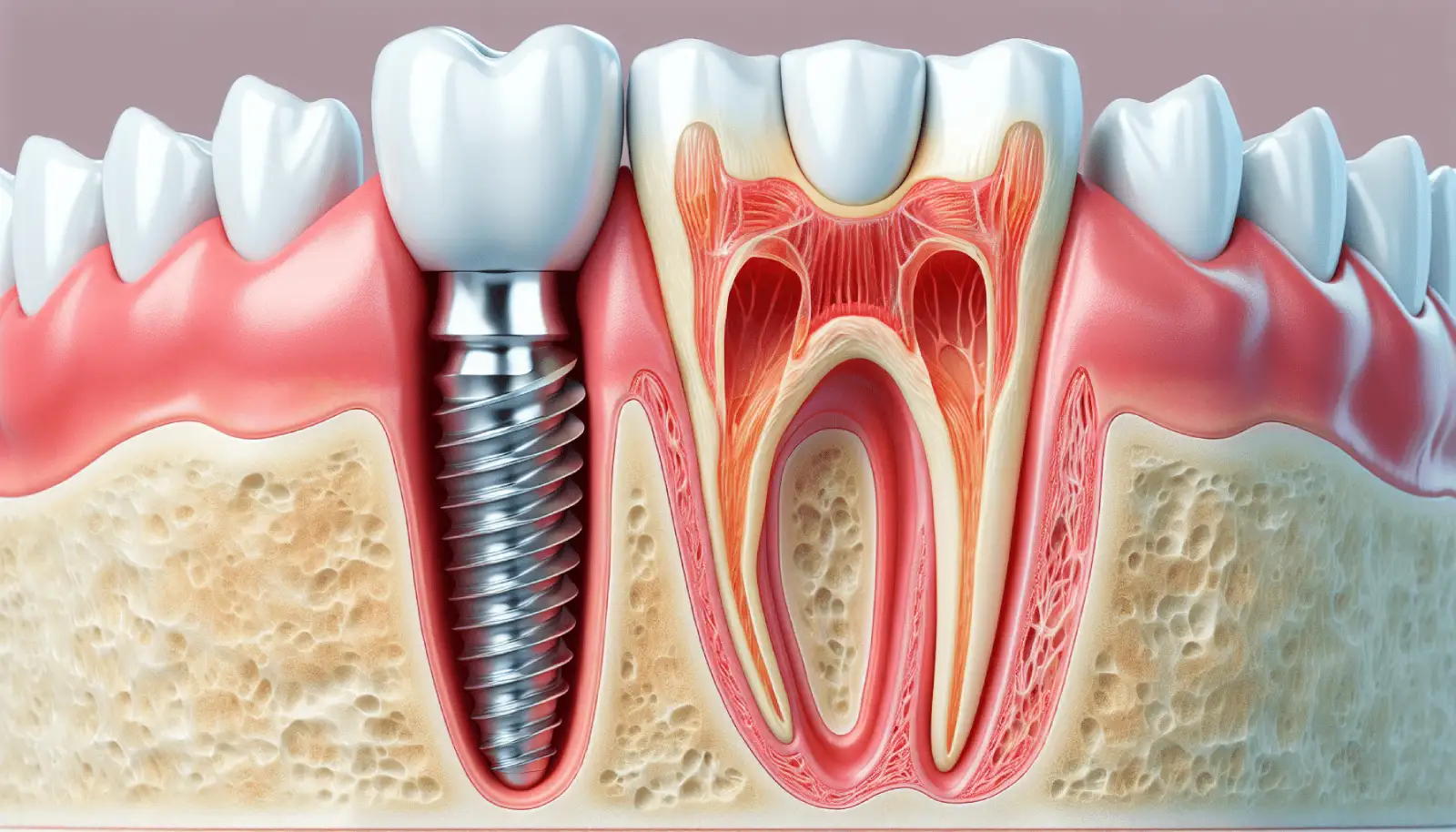
- Implant Placement or Bridge Fitting: A titanium post (implant) is placed into the jaw, acting as a synthetic root to stop bone loss.
- Osseointegration: You wait a few months for the bone to fuse with the implant.
- Final Restoration: A custom-made porcelain crown is attached, looking and functioning exactly like a natural tooth.
Conversion Considerations: Choosing the Right Clinic
When looking for missing teeth treatment in Delhi, don’t just look at the price tag. Consider these E-E-A-T (Experience, Expertise, Authoritativeness, Trustworthiness) factors:
- Technology: Does the clinic use 3D imaging for precise implant placement?
- Specialisation: Is the procedure performed by a prosthodontist or an implantologist?
- Sterilisation: Does the clinic follow international safety protocols?
- Patient Reviews: Look for long-term success stories, not just “before and after” photos.
Conclusion: Don’t Wait for the Pain
Delaying the replacement of a missing tooth is a gamble where the odds are stacked against you. What starts as a small gap can evolve into shifted teeth, a changing face shape, and a much larger dental bill down the road.
Your Next Steps:
- Self-Check: Look for any tilting in the teeth adjacent to the gap.
- Book a Scan: Get a professional assessment of your jawbone density.
- Consultation: Discuss whether an implant, bridge, or denture fits your lifestyle and budget.
FAQ
A: While you can technically wait years, bone loss begins within weeks. Most dentists recommend starting the replacement process within 3 to 6 months of losing a tooth to avoid the need for complex bone grafting.
A: A removable partial denture is generally the most affordable short-term option. However, dentures do not stop bone loss. In the long run, a dental implant is often more cost-effective because it preserves the jawbone and doesn’t need to be replaced as frequently.
A: Yes. Over time, the lack of stimulation causes the jawbone to shrink (resorb). This leads to a “shrunken” facial appearance, thinner lips, and increased wrinkles around the mouth.
A: The missing teeth treatment cost in Delhi is highly competitive. While premium implants can be an investment, Delhi offers world-class clinical expertise at a fraction of the cost found in Western countries, ranging from basic bridges to high-end Swiss implants.