If you are considering a smile transformation, the most common question you likely have is: “How long do braces take?” While we all want a perfectly aligned smile as quickly as possible, braces treatment is a biological process that requires precision and patience. In Delhi, where modern orthodontic technology is rapidly advancing, the journey to straighter teeth is now more efficient than ever.
Whether you are looking for the best dentist in south delhi to braces or just starting your research, understanding the timeline is the first step toward a successful outcome. In this guide, we break down the braces treatment duration, the factors that influence it, and expert tips to keep your progress on track.
The Average Braces Treatment Duration
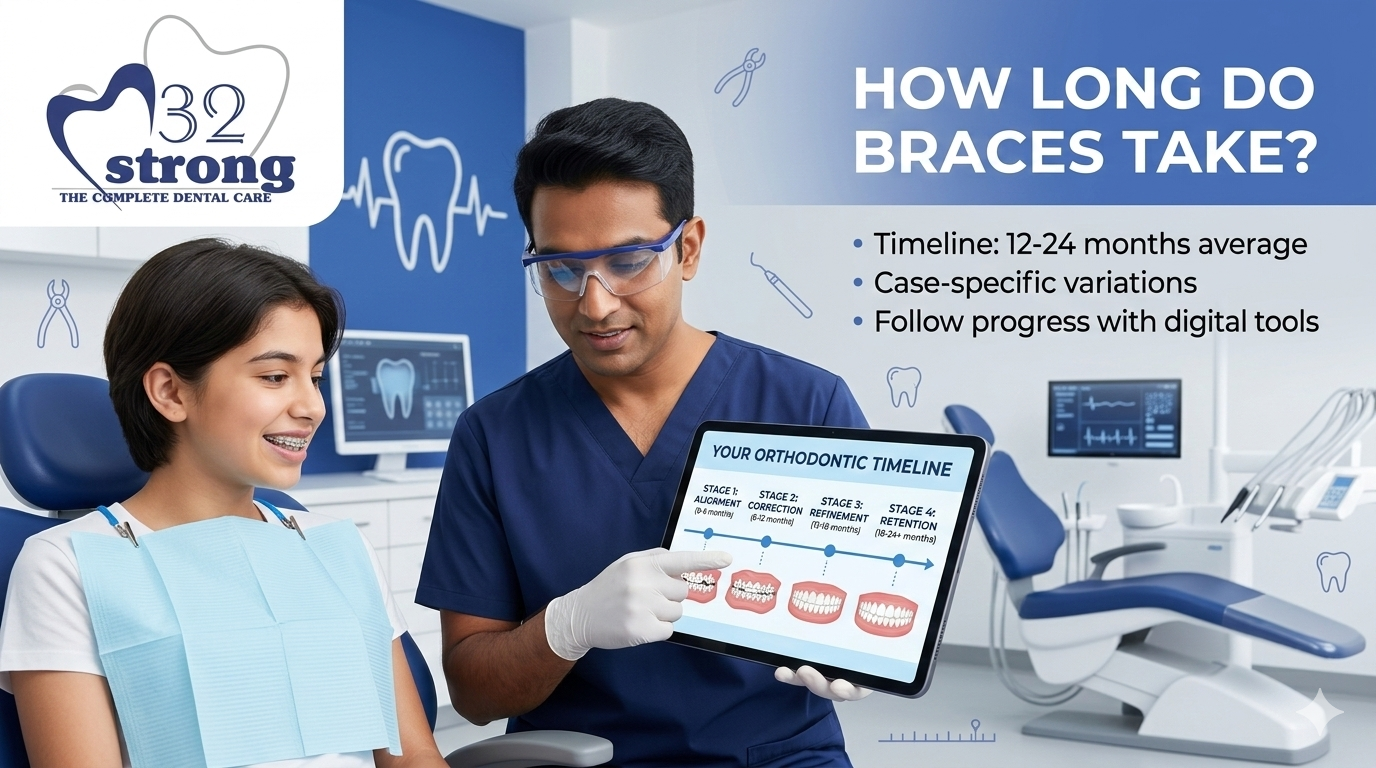
On average, most braces treatment plans fall within the 12 to 24-month range. However, because every mouth is unique, some patients may finish in as little as 6 months, while complex cases involving significant jaw realignment may take up to 36 months.
The duration isn’t just about moving the visible part of the tooth; it’s about shifting the roots through the jawbone and allowing the bone to rebuild around the new position. Rushing this process can lead to root damage or “relapse,” where teeth shift back to their original spots.
Factors Influencing Your Treatment Timeline
Several key elements determine how long you will need to wear your orthodontic appliances:
- Severity of Malocclusion: Simple crowding or minor gaps close relatively quickly. Conversely, severe overbites, underbites, or impacted teeth require more complex movements.
- The Amount of Space: If your mouth is heavily crowded, your dentist may need to create space—sometimes through tooth extractions or palate expanders—before alignment can truly begin.
- Biological Response: Everyone’s bone density and biological rate of tooth movement differ. Some people have “fast-moving” teeth, while others require a gentler, slower approach.
- Patient Compliance: This is the factor you control! Missing appointments, breaking brackets by eating hard foods, or failing to wear elastics as directed can add months to your treatment.
Types of Orthodontic Braces Treatment & Their Speeds
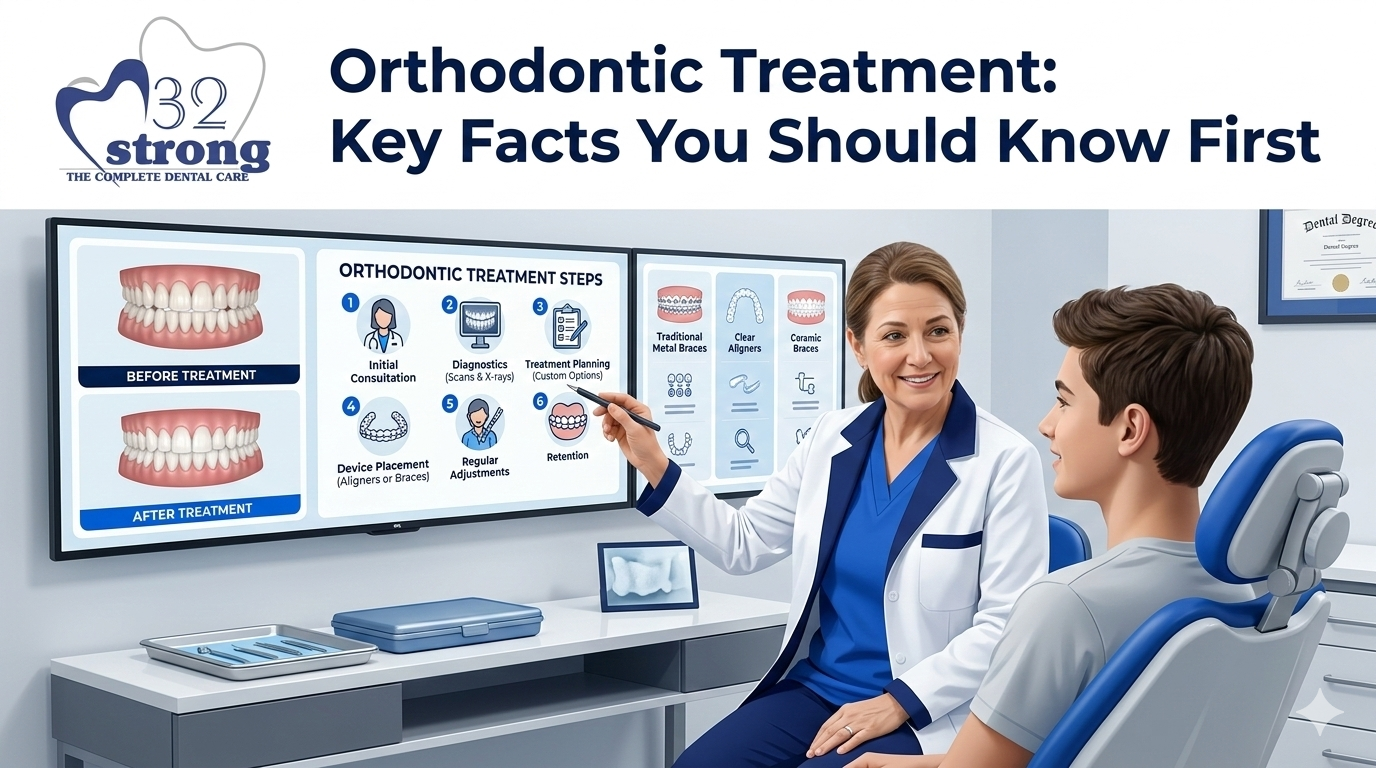
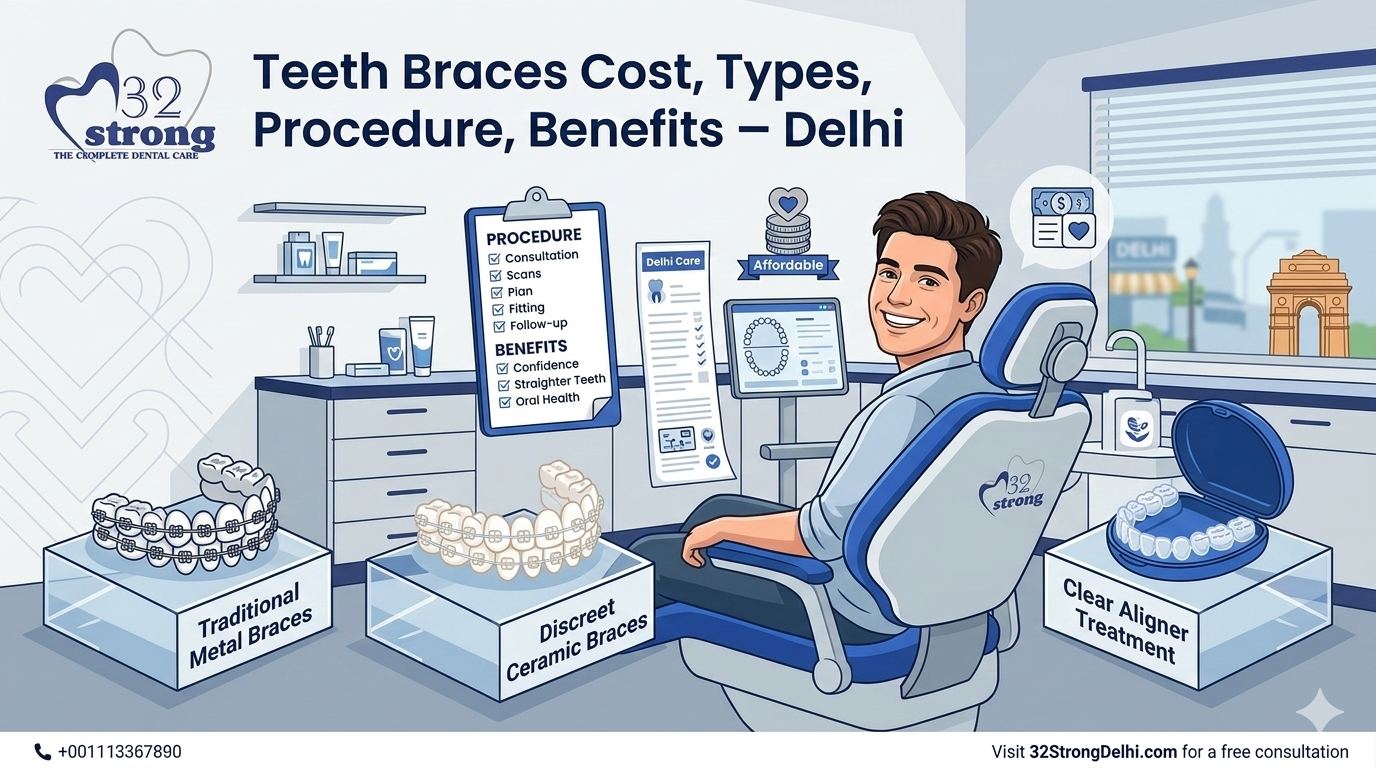
The technology you choose significantly impacts the orthodontic braces treatment timeline. Here is a look at the most common options available in Delhi:
Traditional Metal Braces
The “tried and true” method. These are highly effective for complex cases because they provide the orthodontist with maximum control.
- Typical Duration: 18–24 months.
Self-Ligating Braces
These use a specialized “slide” mechanism instead of elastics to hold the wire. This reduces friction and can sometimes shorten the treatment time by several months while requiring fewer adjustment visits.
- Typical Duration: 12–20 months.
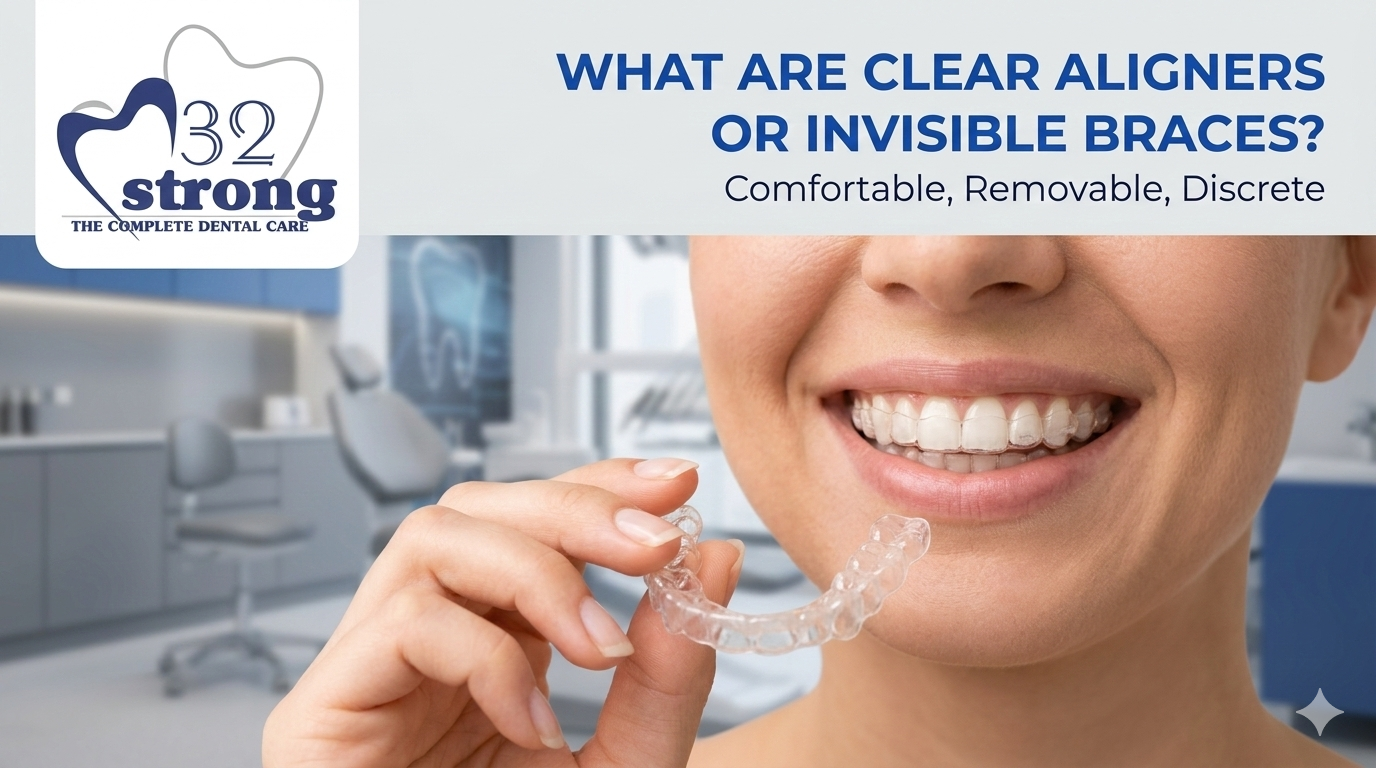
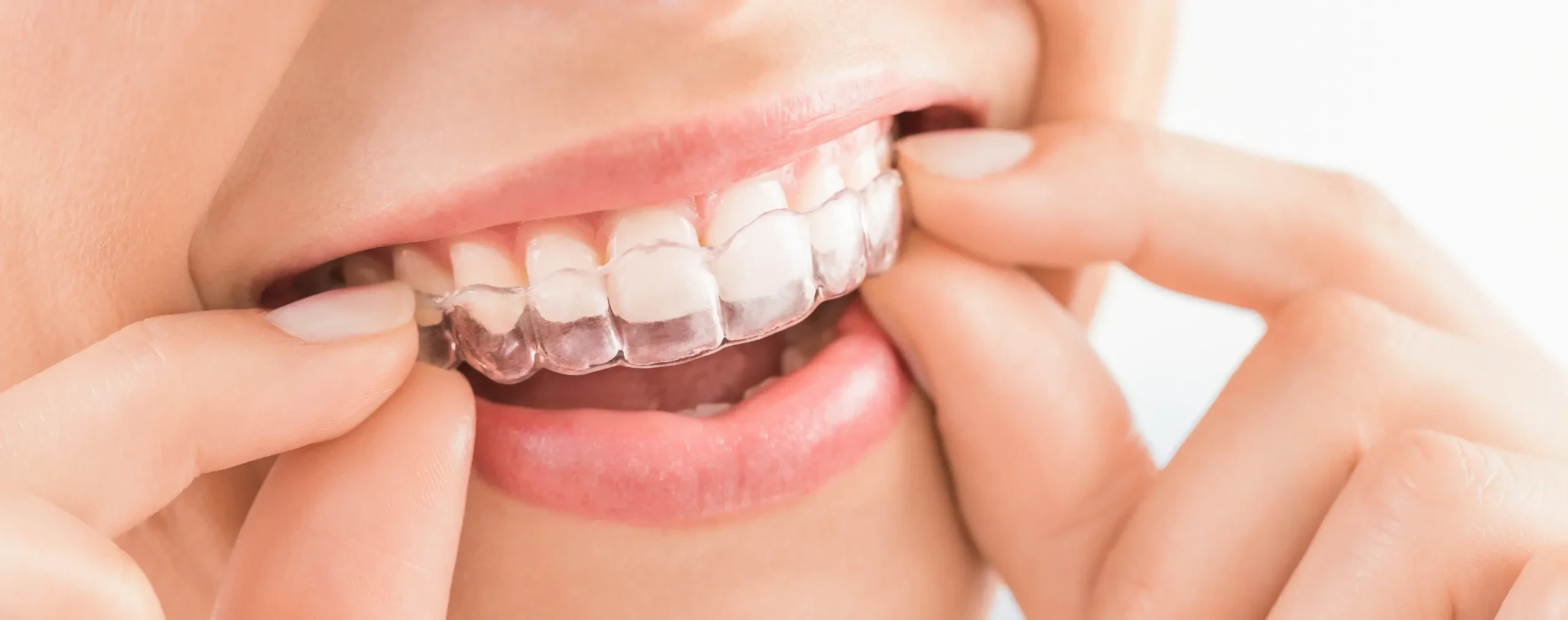
Clear Aligners (Invisalign)
For mild to moderate cases, clear aligners are often faster because they apply pressure to the entire tooth surface simultaneously. However, they require strict discipline.
Typical Duration: 12–18 months.
Ceramic Braces
These function like metal braces but use tooth-colored brackets. While aesthetic, ceramic is more fragile, and your dentist might move teeth slightly slower to prevent bracket breakage.
- Typical Duration: 18–26 months.
The Role of Age in Braces Treatment
Age plays a significant role in braces treatment duration.
- Children and Teens: Treatment is often faster for younger patients because their jawbones are still growing and more “malleable.” Correcting a bite is much easier when the bone hasn’t fully hardened.
- Adults: While it is never too late for braces, adult treatment may take slightly longer. Since adult bone is denser, teeth move a bit more slowly. Additionally, adults may have existing dental work or gum issues that need to be managed alongside their orthodontic plan.
Expert Tips to Speed Up Your Braces Journey
While you cannot change your biology, you can ensure your treatment stays on schedule (or even finishes early) by following these tips:
- Maintain Flawless Hygiene: Plaque buildup can lead to gum inflammation. If your gums are swollen, your teeth won’t move efficiently. Brush after every meal!
- Watch Your Diet: Avoid “bracket-breakers” like popcorn, hard candy, and sticky caramel. Every broken bracket is a day—or a week—of lost progress.
- Wear Your Elastics: If your orthodontist prescribes rubber bands, wear them exactly as instructed. They are the “engine” that corrects your bite.
- Don’t Skip Appointments: Adjustments are carefully timed. Missing a visit means your teeth sit idle instead of moving toward the finish line.
Why Choose the Best Dentist in South Delhi?
The expertise of your provider is just as important as the braces themselves. Finding the best dentist in south delhi to braces ensures that you receive a personalized diagnosis using the latest digital 3D scanning and planning technology. A skilled orthodontist will create a plan that balances speed with long-term stability, ensuring your smile looks great for a lifetime, not just for a few months.
Frequently Asked Questions (FAQ)
1. Can braces straighten teeth in 6 months?
In very mild cases of “social orthodontics” (focusing only on the front teeth), 6-month treatment is possible. However, for full bite correction, a longer duration is usually necessary.
2. Does the type of braces I choose change the cost?
Yes. Generally, self-ligating braces and clear aligners are more expensive than traditional metal braces due to the advanced technology and materials involved.
3. Will my treatment take longer if I am an adult?
Not necessarily, but adult teeth move into denser bone, so you should expect a slightly more deliberate pace compared to a teenager.
4. What happens if I move during treatment?
It is best to finish treatment with the same orthodontist who started it. Transferring cases can often add 3–6 months to the timeline as the new dentist evaluates and adjusts the plan.
5. Do I have to wear a retainer afterward?
Yes! Regardless of how long your treatment took, you must wear a retainer. Without it, your teeth will almost certainly shift back toward their original positions.
Conclusion
The journey of braces treatment is a marathon, not a sprint. While the average braces treatment duration is about 18 to 24 months, the result—a healthy, functional, and confident smile—is well worth the wait. By staying compliant with your dentist’s instructions and maintaining excellent oral hygiene, you can ensure your journey is as smooth and fast as possible.
Are you ready to start your transformation? Consult with a specialist to get a personalized timeline for your orthodontic braces treatment.
Book a consultation with the best orthodontists in South Delhi today!