Dental implants have revolutionized restorative dentistry, offering a permanent and aesthetically pleasing solution for those seeking dental implants in Delhi. While they boast an impressive success rate of over 95%, many prospective patients are curious about the potential pitfalls. Understanding the challenges is the first step toward ensuring a successful, lifelong outcome for your new smile.
The “biggest” problem isn’t usually the implant itself, but rather a condition called peri-implantitis or the failure of the bone to fuse with the metal. Being aware of these risks allows you to choose the right specialist and follow the necessary aftercare protocols to protect your investment and oral health.
The “Biggest” Problem: Peri-Implantitis and Integration Failure
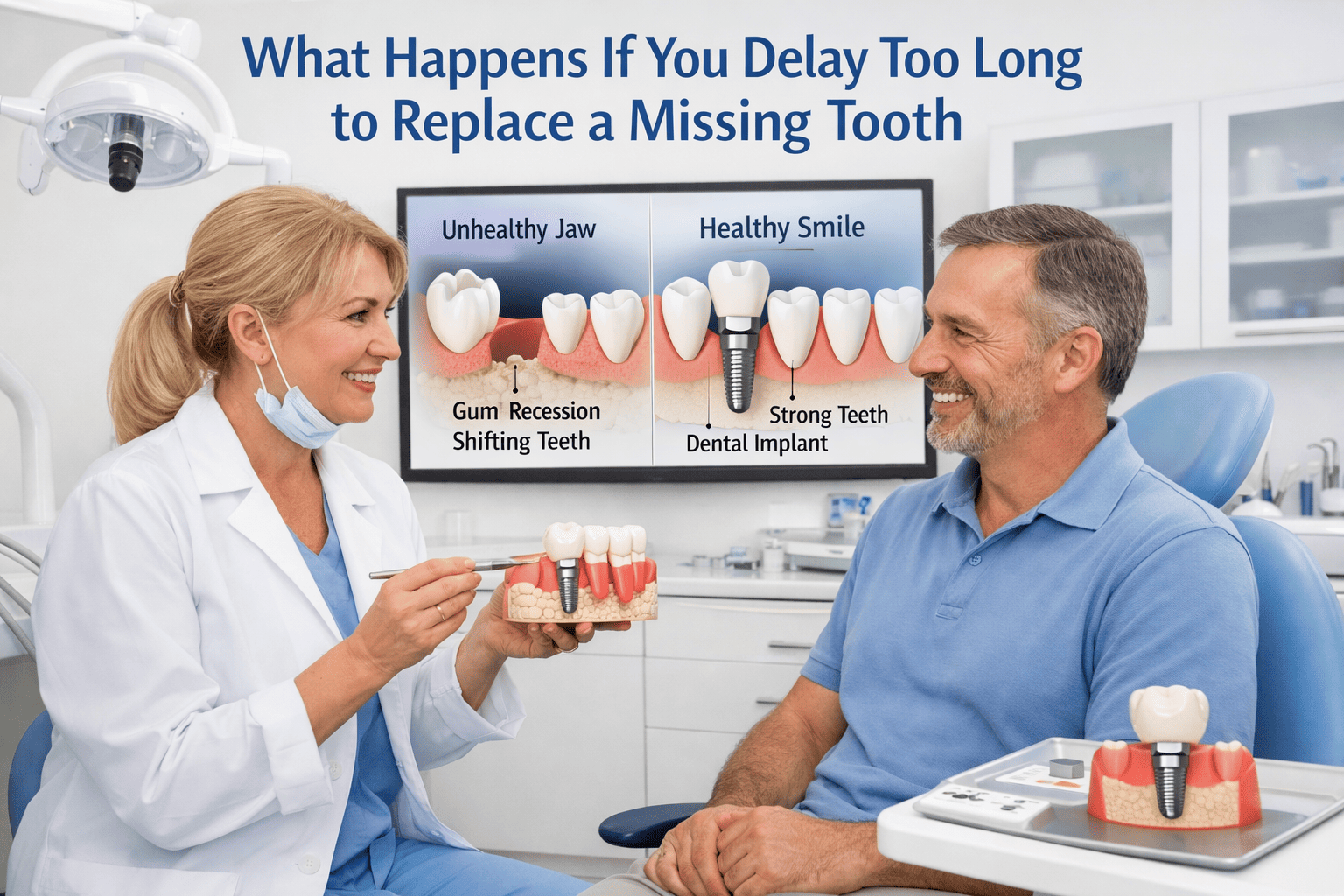
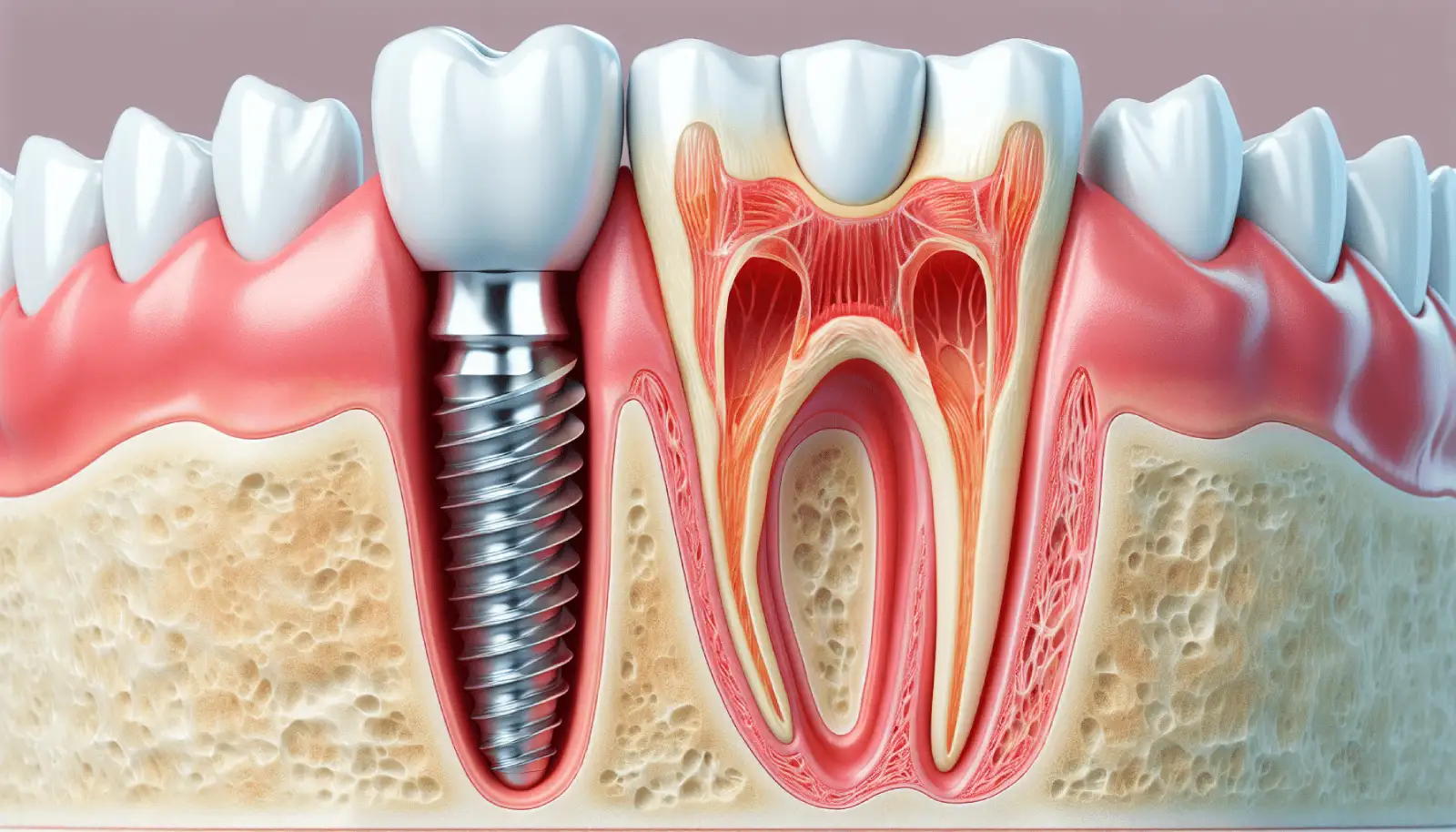
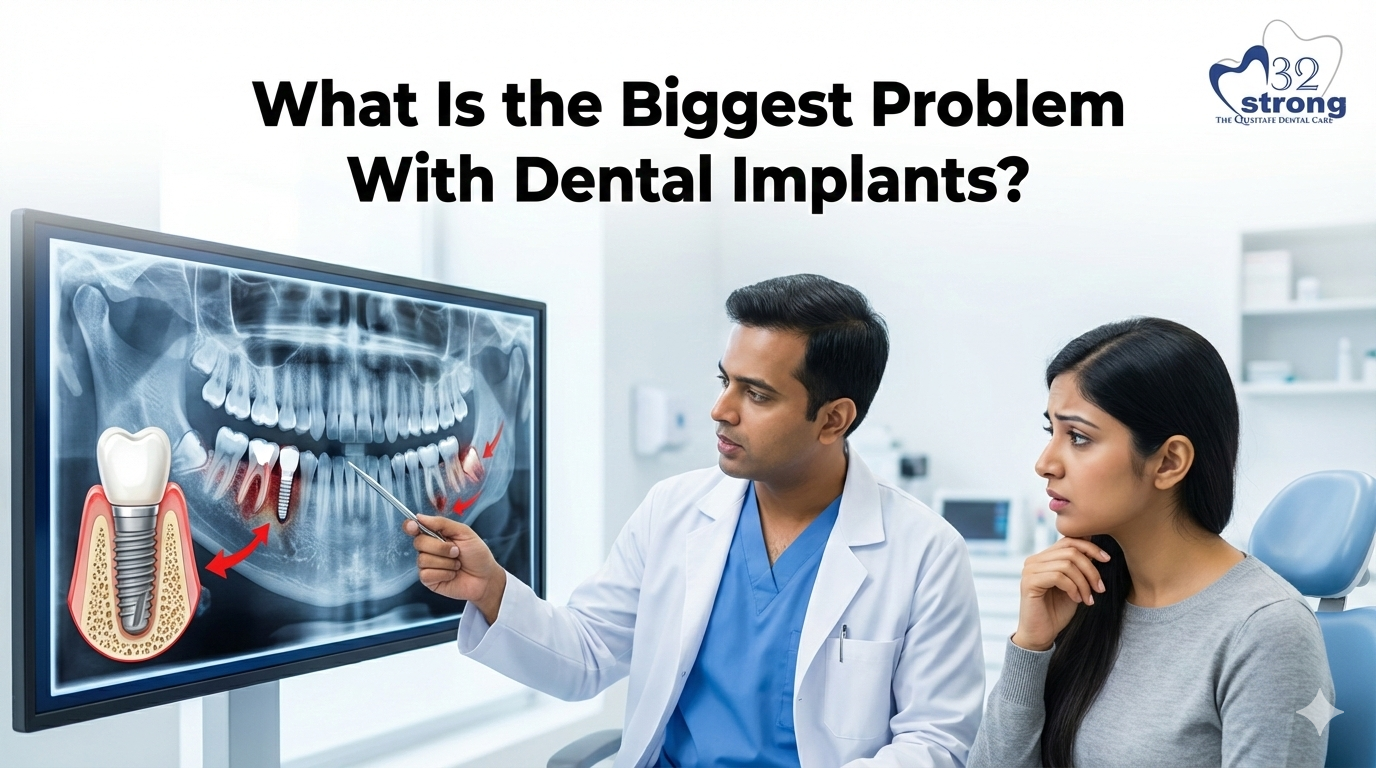
When people ask about the most significant issue with implants, clinicians often point to peri-implantitis. This is an inflammatory condition that affects the soft and hard tissues surrounding a dental implant. Much like gum disease affects natural teeth, peri-implantitis causes bone loss and can eventually lead to the implant becoming loose or falling out.
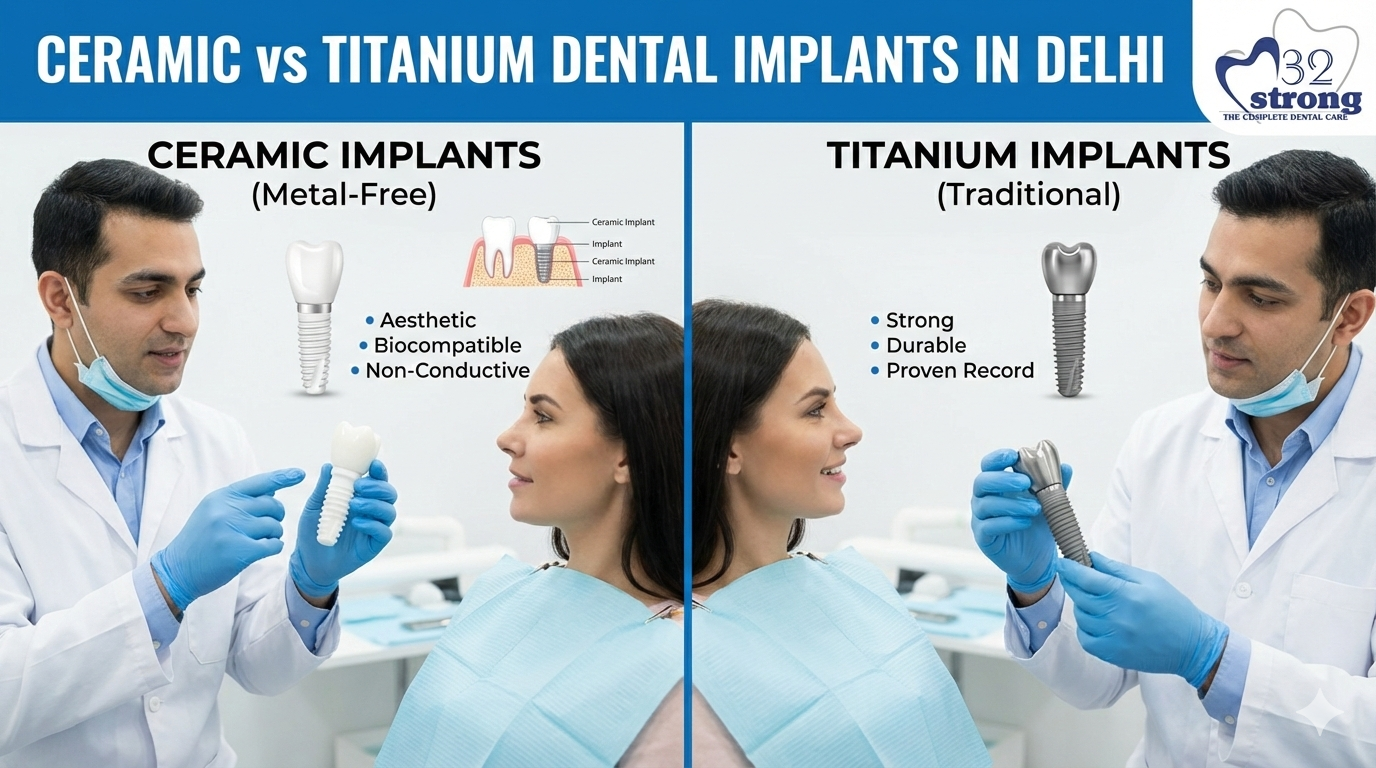
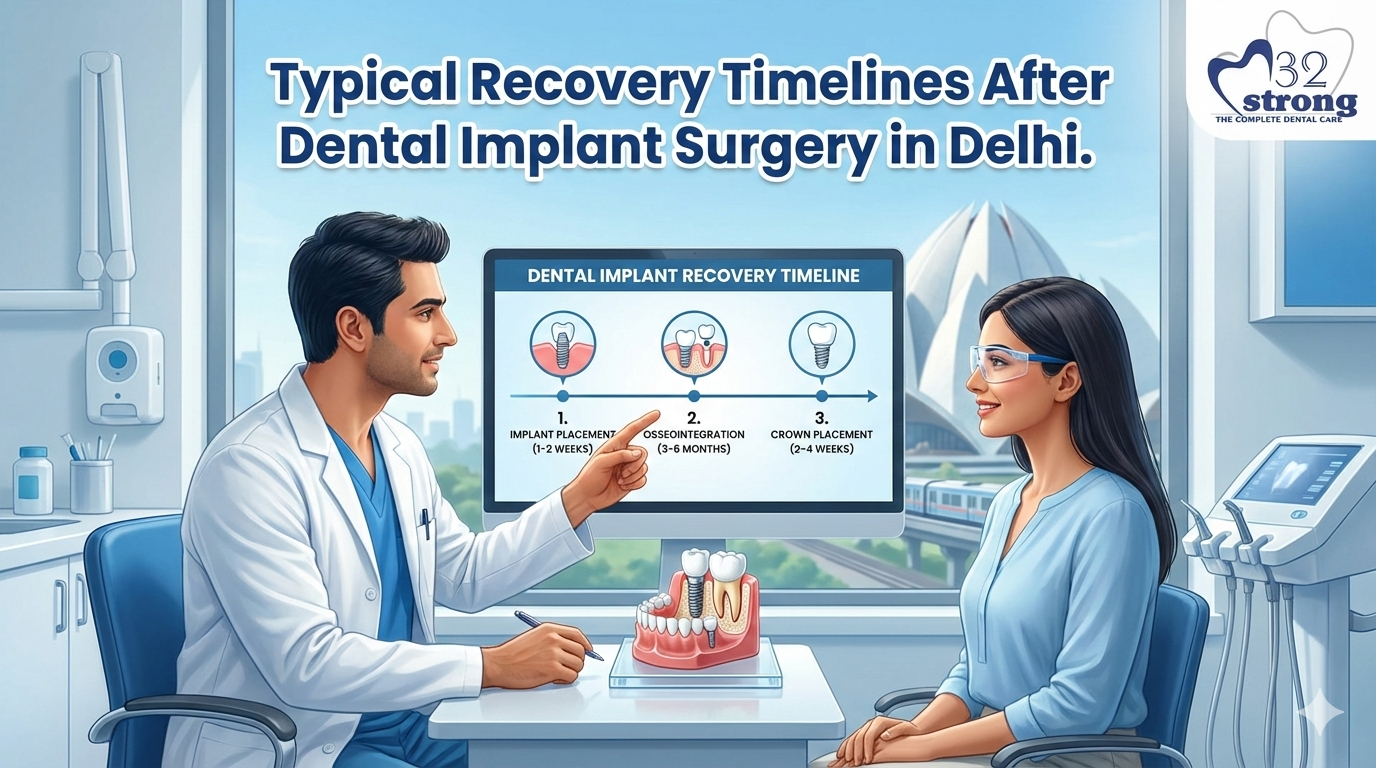
Another primary concern is failed osseointegration. This occurs when the jawbone does not grow around the implant properly. This can happen due to poor bone density, smoking, or uncontrolled diabetes. If the bone fails to “grip” the titanium post, the implant cannot support a crown and must be removed.
Understanding the Most Common Problems with Dental Implants
While peri-implantitis is a major concern, there are other most common problems with dental implants that patients should be aware of:
- Infection at the Site: Often occurring shortly after surgery, infections can arise if oral hygiene is poor or if the surgical environment was not sterile.
- Nerve and Tissue Damage: In rare cases, an implant placed too close to a nerve can cause numbness, tingling, or pain in the chin, lips, or gums.
- Sinus Issues: For implants placed in the upper jaw, there is a risk of the post protruding into the sinus cavities if not planned correctly using 3D imaging.
- Mechanical Failure: Though rare, the screw or the crown attached to the implant can break or loosen over time due to excessive biting force or teeth grinding (bruxism).
Choosing the Right Type of Dental Implants in Delhi
Success often starts with selecting the correct procedure. There is more than one Type Of Dental Implants in Delhi available to suit different bone structures and needs:
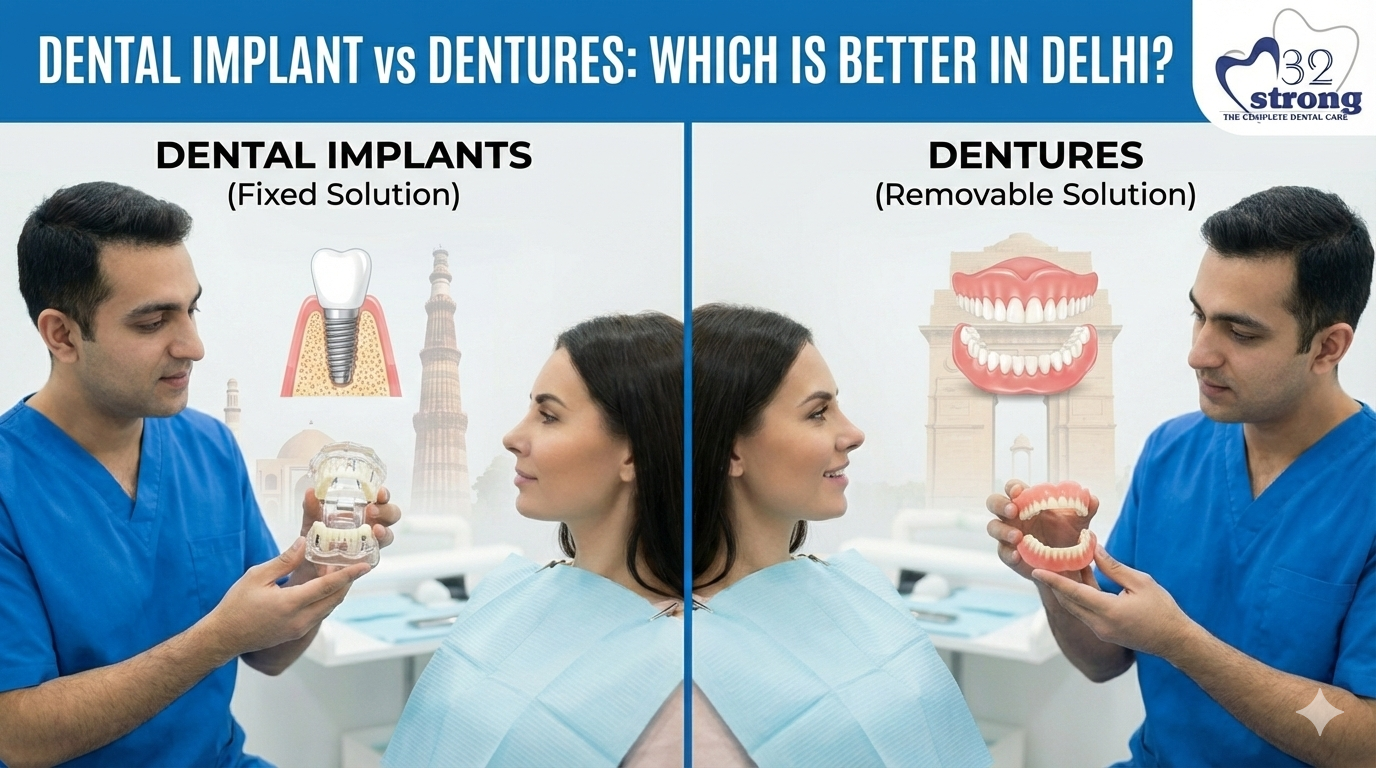
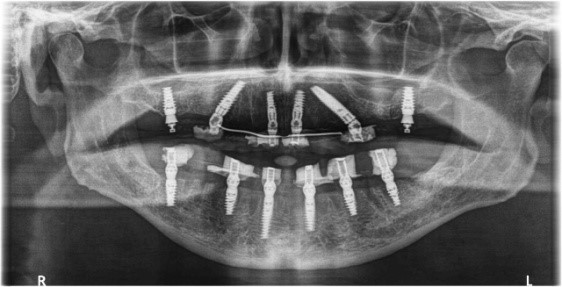
- Endosteal Implants: The most common type, placed directly into the jawbone.
- Subperiosteal Implants: These sit on top of the bone but under the gum, often used for patients with insufficient bone height.
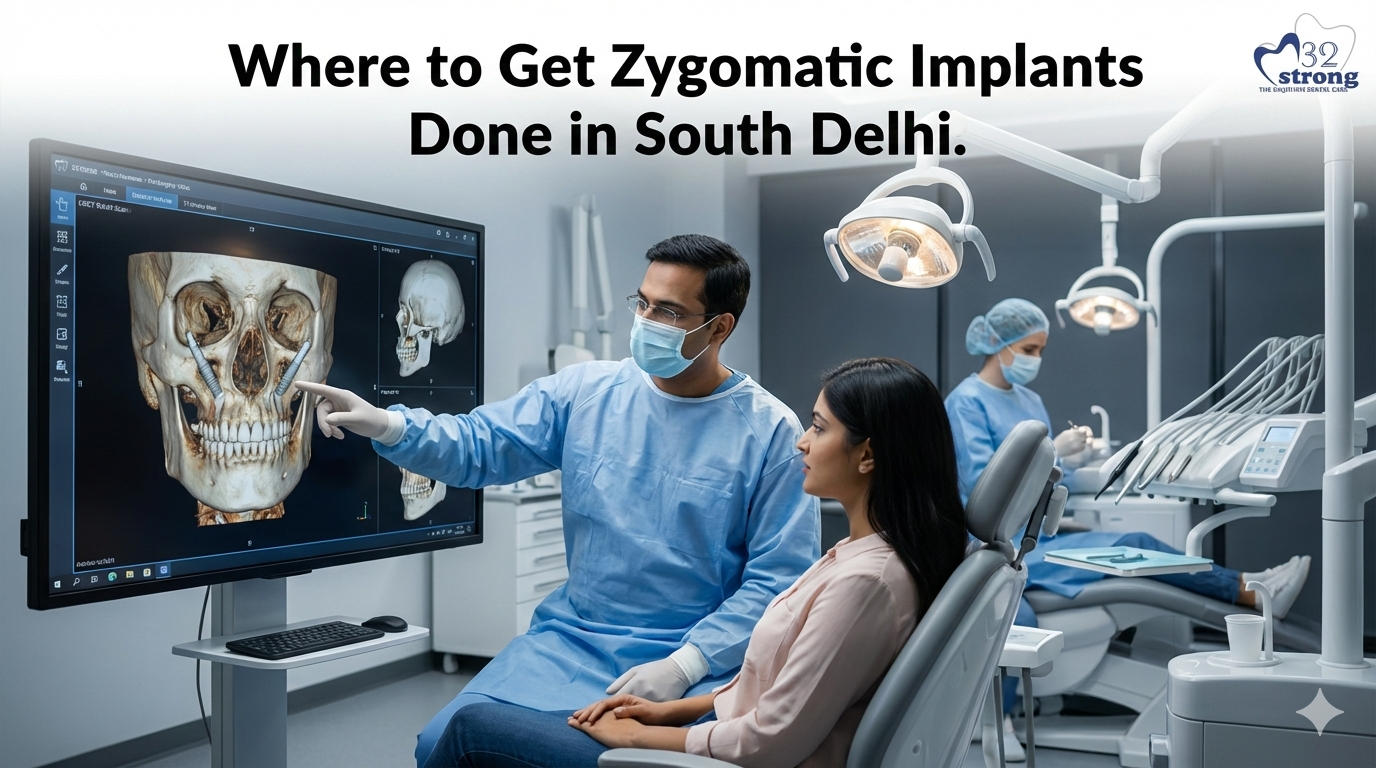
- Zygomatic Implants: These are longer implants that anchor into the cheekbone, used when the upper jawbone is severely depleted.
Navigating the Cost of Dental Implants in Delhi
Budget is a significant factor for many. The cost of dental implants in Delhi varies based on the brand of the implant, the expertise of the surgeon, and whether additional procedures like bone grafting or sinus lifts are required. While it may be tempting to choose the cheapest option, the quality of the titanium and the precision of the placement are what ultimately prevent the “biggest problems” mentioned above. Investing in a high-quality system usually saves money in the long run by avoiding revision surgeries.
Comparison Table: Problem vs. Prevention
| Potential Problem | Common Cause | Prevention Strategy |
| Peri-implantitis | Poor hygiene, bacteria buildup | Regular flossing and professional cleanings |
| Osseointegration Failure | Smoking, low bone density | Smoking cessation and bone grafting if needed |
| Sinus Complications | Incorrect placement in upper jaw | Use of CBCT 3D scans for surgical planning |
| Implant Loosening | Teeth grinding (Bruxism) | Using a nightguard to protect the restoration |
Why 32 Strong Dental is Best in Delhi
- Expert Surgeons: Our team consists of highly trained implantologists who specialize in complex cases and “rescue” implants.
- Advanced Diagnostics: We utilize 3D CBCT imaging to map your jaw structure with sub-millimeter precision before any surgery.
- International Standards: We follow strict sterilization protocols and use world-class, biocompatible implant systems.
- Customized Care: Every patient receives a tailored treatment plan designed to maximize bone integration and long-term stability.
- Transparent Pricing: We provide a clear breakdown of costs, ensuring there are no hidden surprises during your treatment journey.
Conclusion
While the prospect of dental implant failure can be daunting, most issues are entirely preventable with the right clinical expertise and patient commitment to hygiene. Choosing a high-quality provider and understanding the complexities involved is the first step toward a healthy smile. Dental implants remain the gold standard for tooth replacement, offering unmatched stability and aesthetics. By addressing potential risks early and following professional guidance, you can enjoy the functional and psychological benefits of a complete smile for decades to come.